Transport, fleets and dispatch

A fleet is managed with data, not phone calls

Systems for fleets and logistics operations: the state of every unit, upcoming maintenance, documents up to date, dispatches and traceability of what moved.

A twenty-unit fleet can be run from memory. A sixty-unit one cannot, and the moment it stops being possible is rarely noticed in time: it is noticed when a unit goes out with an expired inspection, or when maintenance was done late and cost double.

The system's job here is not tracking on a map: it is having each unit's state, its documents and its due dates somewhere they can be seen before they become a problem.

What happens today

The problems that keep repeating in this field

Due dates discovered late

Inspection, insurance or permit expired, and the unit already left.

Maintenance by reaction

Handled when it fails, which is when it costs double and halts the operation.

Unit status asked for by phone

Every query is a call to the driver or the workshop.

Scattered documentation

Registration, insurance and permits in different folders, none current.

Vehicle data typed by hand

Twenty fields per unit when the plate could bring them.

The real cost per unit is unknown

Without fuel, maintenance and parts together, there is nothing to decide with.

We already built it

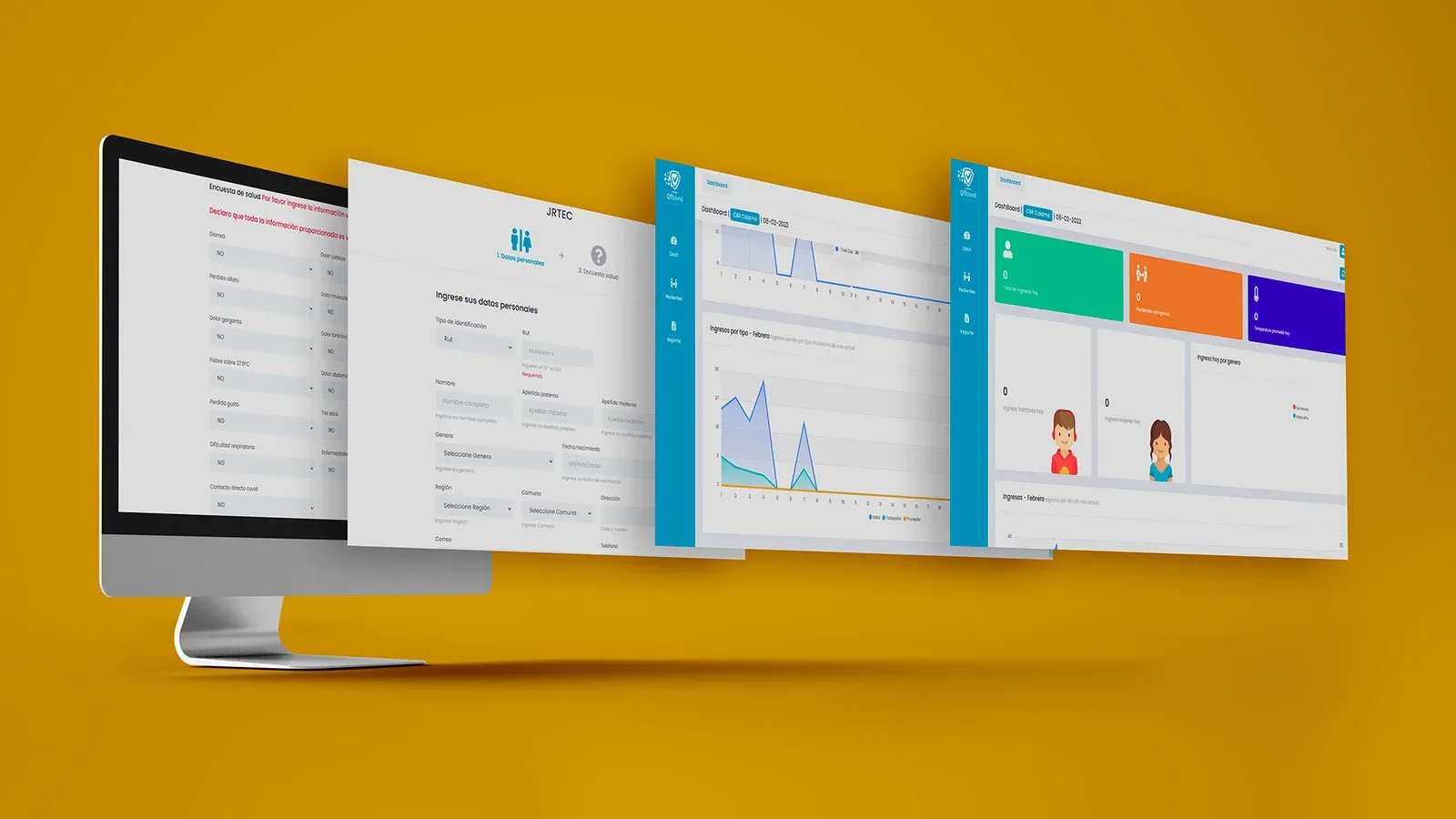
Systems running in this field

What gets built

What a system usually solves here

  • A record per unit, with documents and due dates
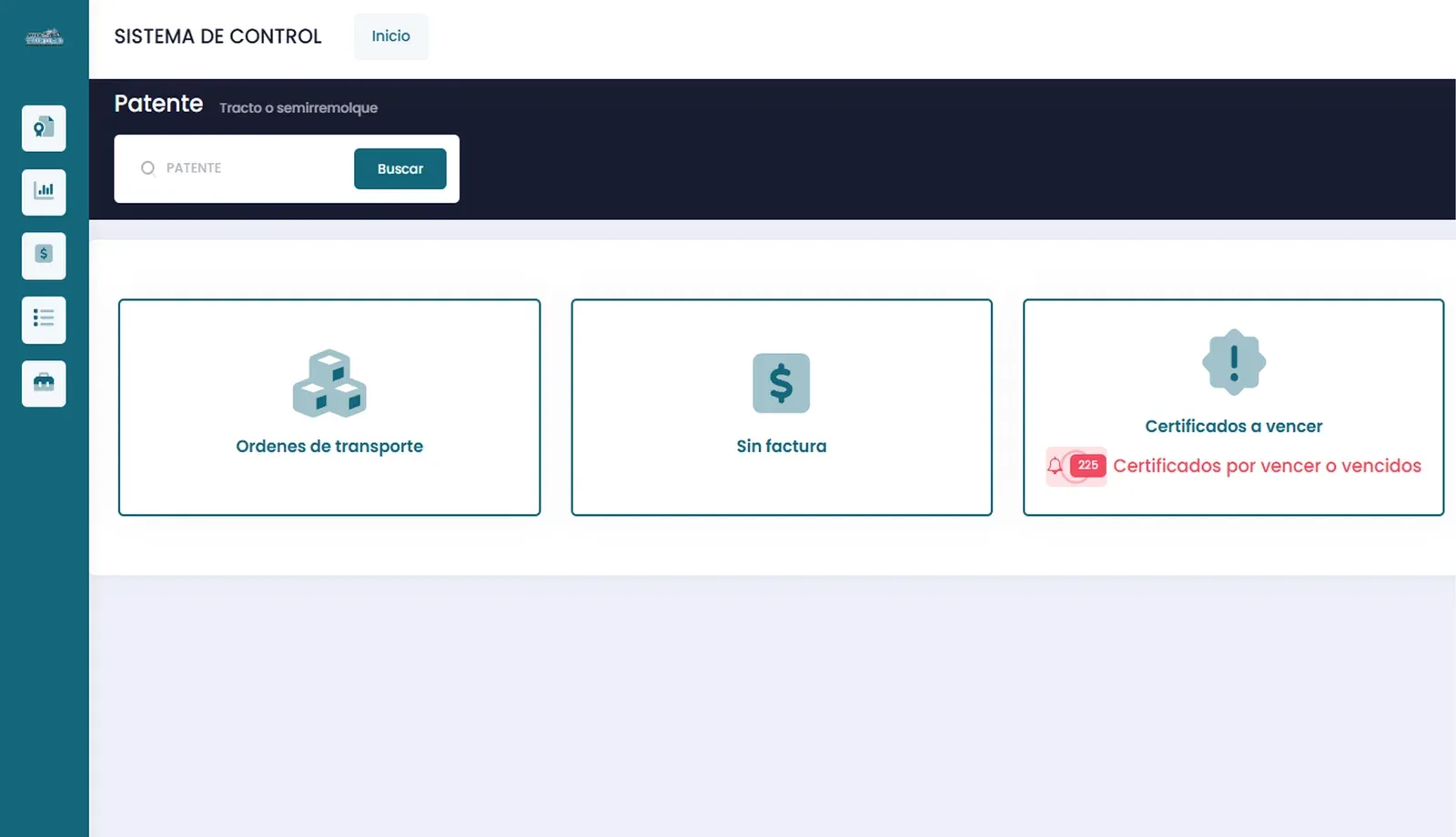
  • Warnings before inspection, insurance or permits expire
  • Maintenance scheduled by mileage or by date
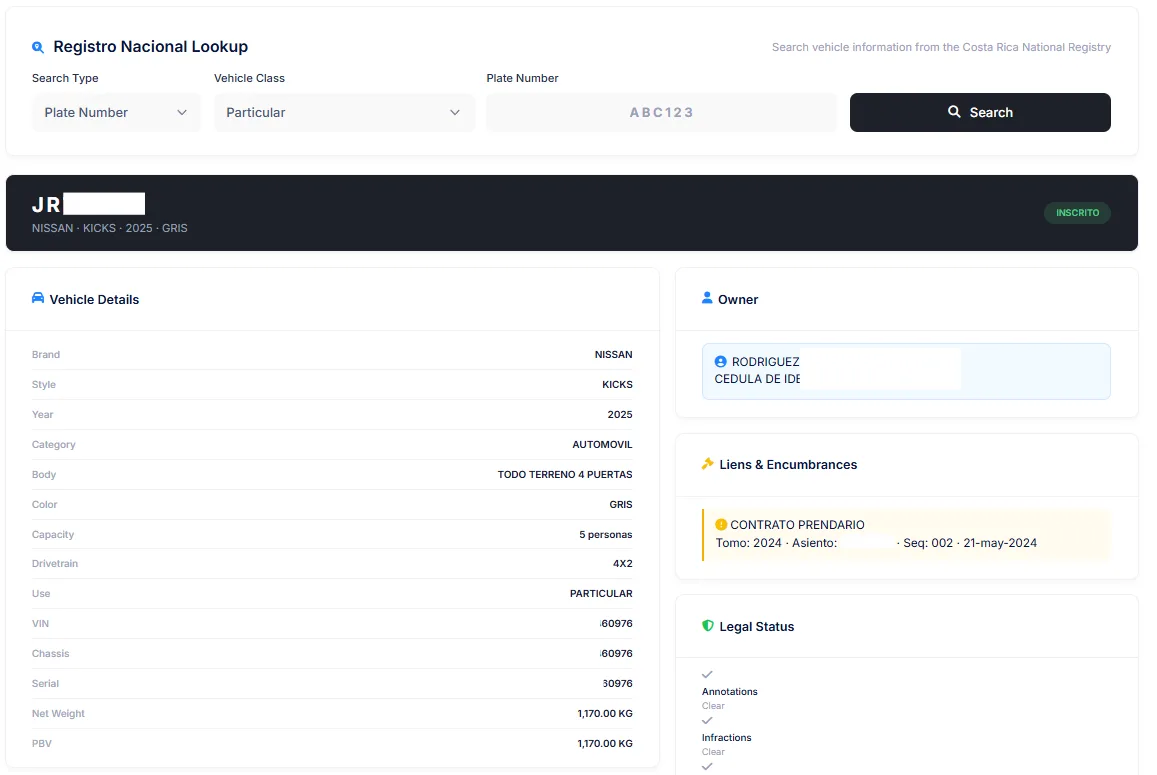
  • Vehicle data preloaded from the plate or the VIN
  • Dispatches and traceability of what moved
  • Cost per unit: fuel, maintenance and parts
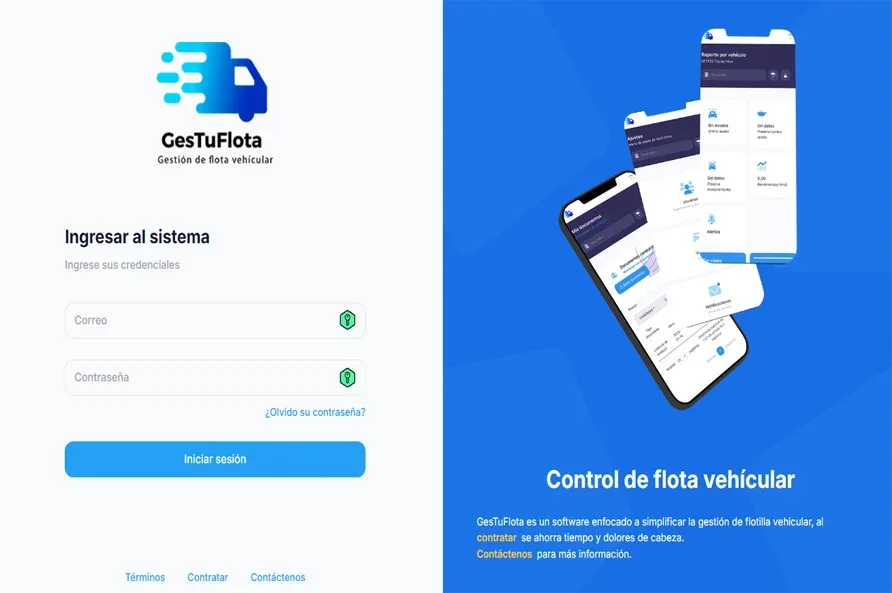
  • An app so the driver records from the route
  • Availability and cost reports by period

How we do it

The services that apply

Frequently asked

What people ask us most

We do not build it, but it integrates with the GPS provider you already use. What we add is what GPS does not solve: due dates, maintenance, costs and documents.

In Costa Rica yes. With our National Registry API you query by plate or VIN and get specifications, owners and liens, instead of typing twenty fields.

From around fifteen units it pays for itself in maintenance that stops being done late. Below that, sometimes a well-built spreadsheet is better, and we say so.

They should not. The norm is the app recording offline and syncing when signal returns.

If you can imagine it, we can build it.

Tell us what you need. We'll get back with a clear proposal, no jargon.